Golden Hammer
- the company history
Recently Added
or Updated...
Christchurch Chapel, Bridgwater
Recollections, Info,
Memories, Explanations
---------------------
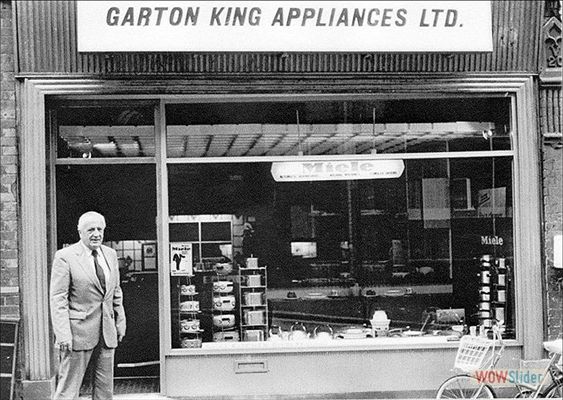
The Holladay Family, who have been involved with the business of Garton & King from 1898 until 1990, have put together this History of the Company and hope you will find it of interest.
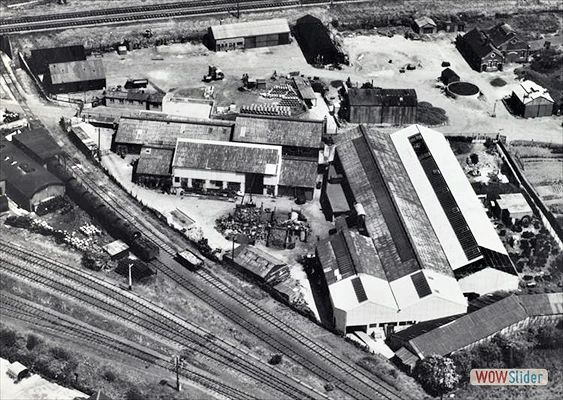
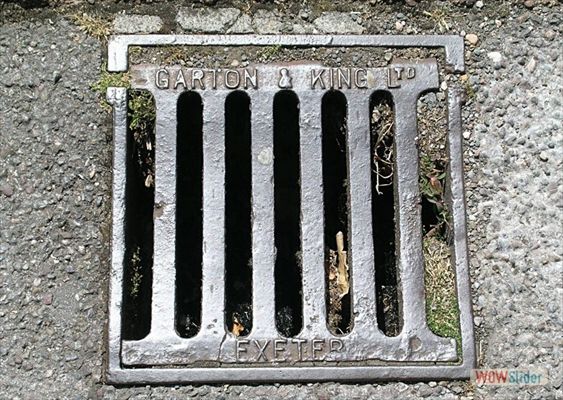
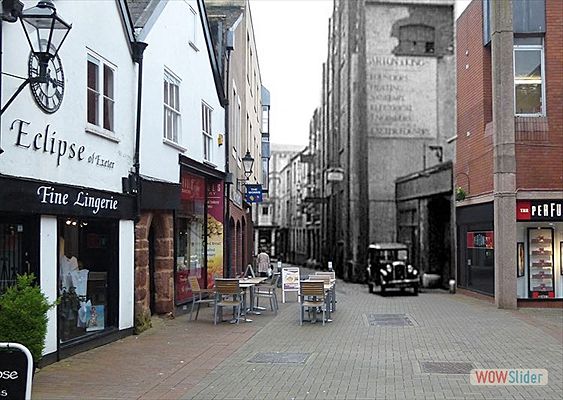
Garton & King, and its predecessors (which include the Portburys, the Kingdons, Garton & Jarvis, and Garton & King, amongst others) can trace their trading history back to 1661, that is well over three hundred years of business within Exeter, mostly in and around the High Street, effectively Exeter’s oldest Business. Its history is described in the booklet ‘Golden Hammer’, first published in 1961.
Since the Website was created in 2009 we have added much additional information (see the Sitemap). Recently added or updated Pages are noted under that Red heading on the list that appears to the left of each page.
This link will take you to the What do we do ? page. The 1961 Golden Hammer Booklet celebrated 300 years of continuous service to the community, It was privately distributed to the Company’s valued customers of that time. Copies of this publication are scarce, they were never marketed. The smaller A5 Complete History version was produced in January 2014 and reprinted in 2020; copies are available – go to the Booklets and Talks page for details.
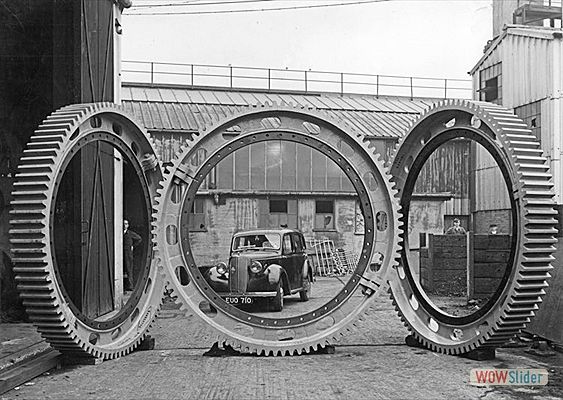
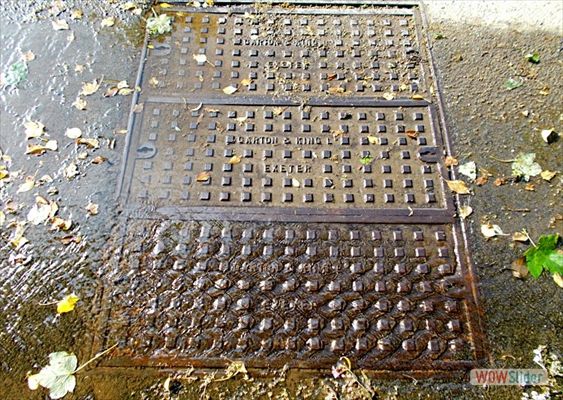
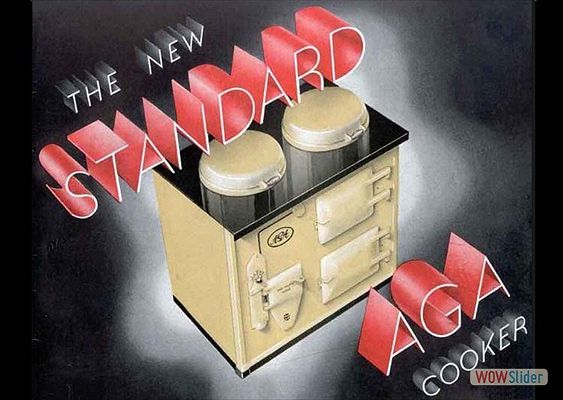
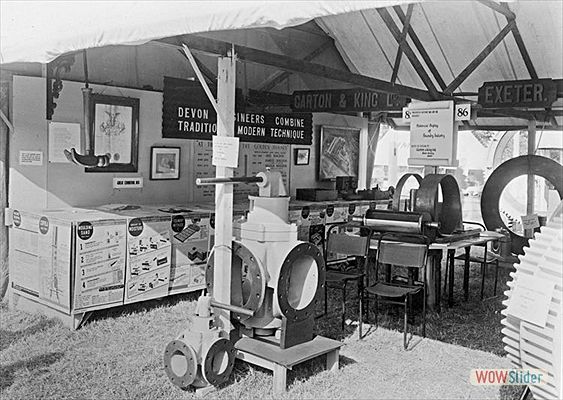
With every copy of the 1961 version was a card insert. In print the Directors introduced the booklet and explained “WHAT DO WE DO.” So to find out what we (the Company) did then, prior to then, and subsequent to 1961 follow this link - I think you’ll be surprised as to the range of products and services – more than just AGAs and Manholes!
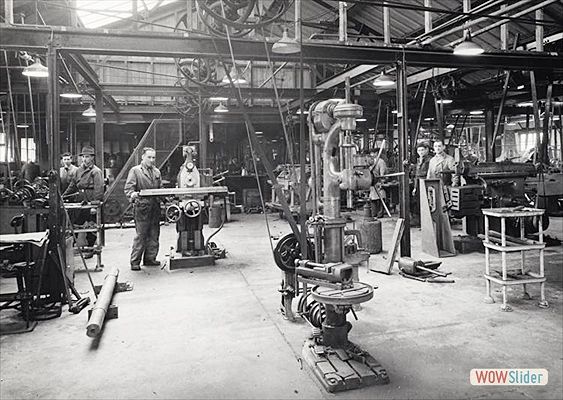
We have also added the Guestbook and some interesting comments have been posted, some by past employees - and if you have worked in the past for the Company, either under Alec in the Showroom or down at the Foundry when it was at Tan Lane you are sure to recognize some of the names mentioned in the Postings or on the Workforce at Work page. Perhaps you will be suitably inspired to add your comments - but keep it clean, no Foundry Language please!
If you have any original Archive Material such as catalogues, correspondence, photographs or memories that you would like to share, I really would like to hear from you - see the About Me page for contact details.
We now have much more information on Stove Sales and an alphabetical list of who bought what and where they lived. A multitude of names of past employees can now be found on the website, particularly on the Workforce at Work page. Details are mostly on those that worked for the Company in the 20th Century.
Don’t forget, if you live fairly local to me (Chudleigh) and belong to a Club or Social Group, I am equipped to give Illustrated Talks on G & K Ltd’s History - see the Booklets & Talks page. All my Contact Details are on the About Me page.
July 2021
Top of the page
See also:
‘Golden Hammer’ - a history of G & K
Sitemap / Contents