
Golden Hammer
- the company history
Recently Added
or Updated...
Christchurch Chapel, Bridgwater
Recollections, Info,
Memories, Explanations
---------------------
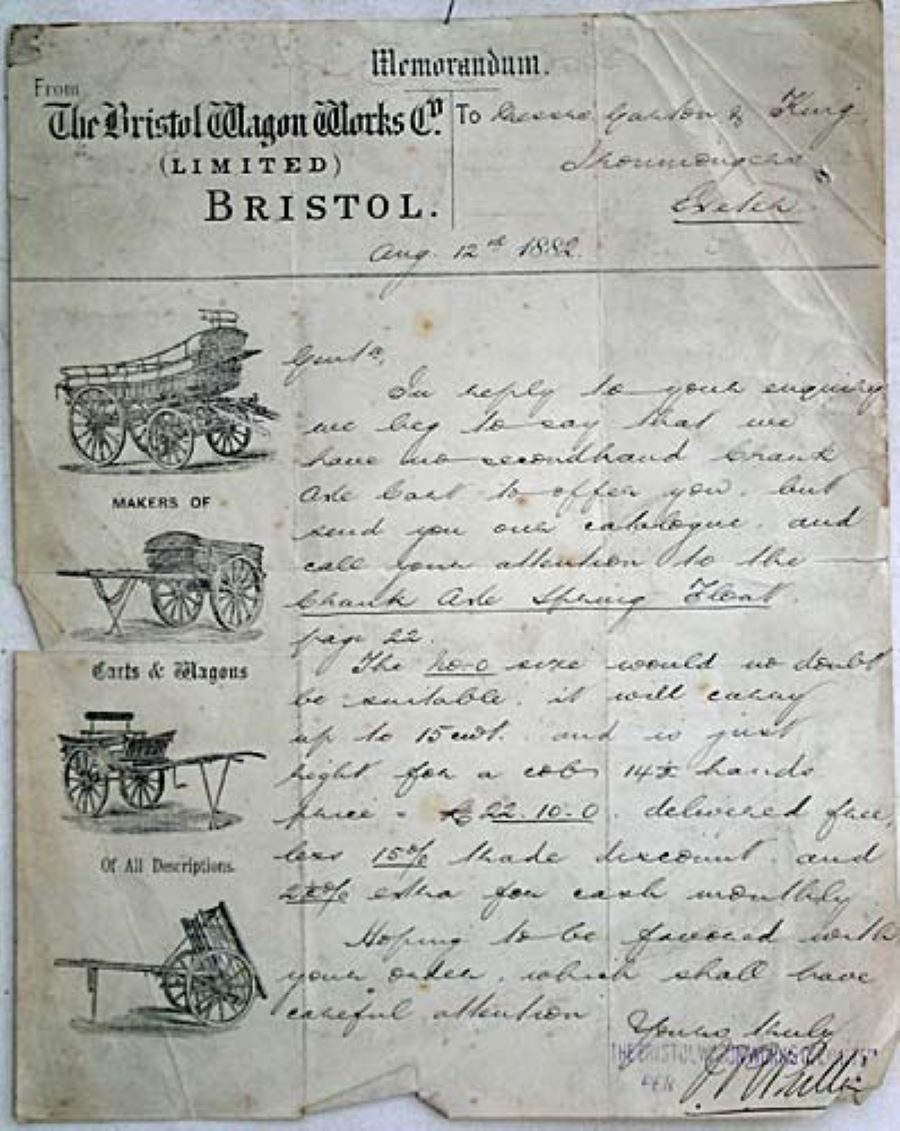 Before the coming of the Motor Car most businesses had to rely on the Horse and Cart for transport - Brunel brought the railway from Bristol to Exeter in 1844 and the London and South Western reached Exeter in 1860. Up until then transport was by packhorse and horse and cart. As the railways opened up the county so goods were able to be moved around more easily. Lord Portsmouth conveniently arranged for a station at Eggesford so many of the products that were made by the Foundry for Eggesford House (including gates, railings and stoves and ironwork for the extensive stables) travelled most of the way by train - as did the staff who installed some of the equipment. Elsewhere in the county workmen and equipment went by train and were met at the nearest station and transported to their place of work by the buyer or his staff. The Company owned a pony and trap as there is a reference to it being sent to Powderham Castle at Kenton and we know from written evidence that the ‘Old Horse’ died in July 1880 and was replaced by a ‘New Horse’ in September. Garton & King, ever a firm to save a bob or two wrote to the well known Bristol Wagon Works on the 12th August 1882 enquiring after second hand wagons. We will probably never know whether they became a customer of the Bristol company.
From the earliest days of vehicle registrations Exeter issued its own with the FJ prefix. Whilst the earliest registration records still exist in the S.W. Heritage Centre at Exeter the detail given is somewhat primitive, the very early records not even recording the make of vehicle, just distinguishing between ‘private’ or ‘goods’ and the mention of bicycle or motorised tricycle and to whom the vehicle, whatever the category, was registered.
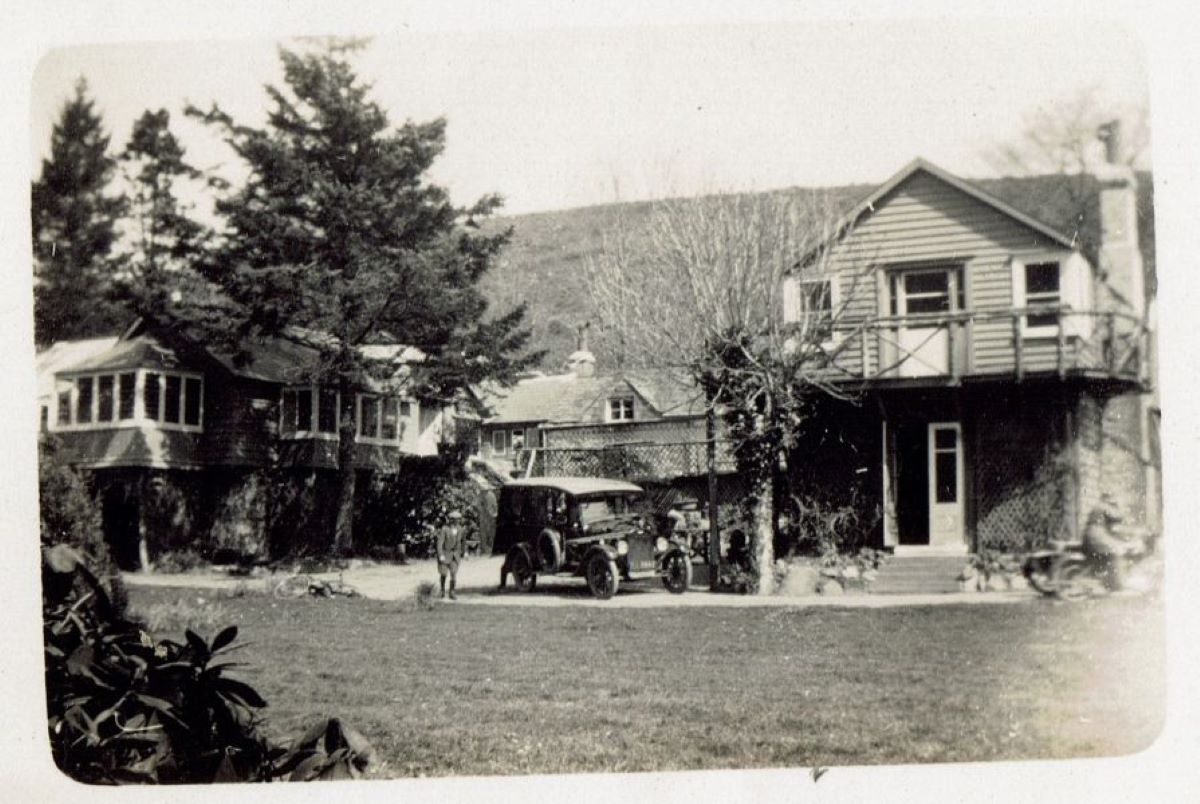
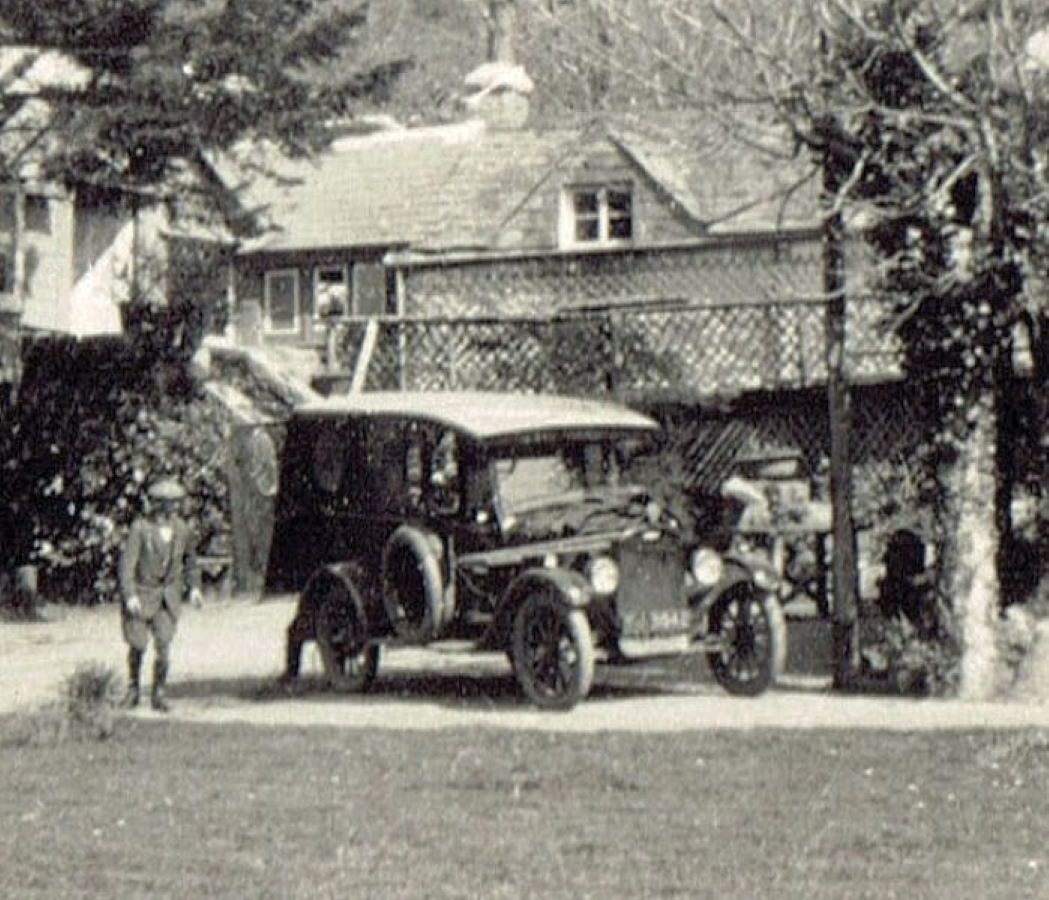
The earliest mention of a vehicle being registered with Garton & King was a Goods Vehicle registration number FJ 3042 sometime in 1923. The two images (below left) date from about 1926, and are from a photograph in one of our family photo albums. What I believe to be FJ 3043, an unidentified make of van, was photographed at Badger’s Holt, Dartmeet – a Tea Room established in the early 1900s and at which Garton & King certainly did work. It precedes the little Humber car TA 8423 (TA is a Devon, not Exeter registration), one of the earliest motor cars owned by the company - probably a 1926 Humber 9/20 2/3 seater. That image (below right) was taken in 1927.
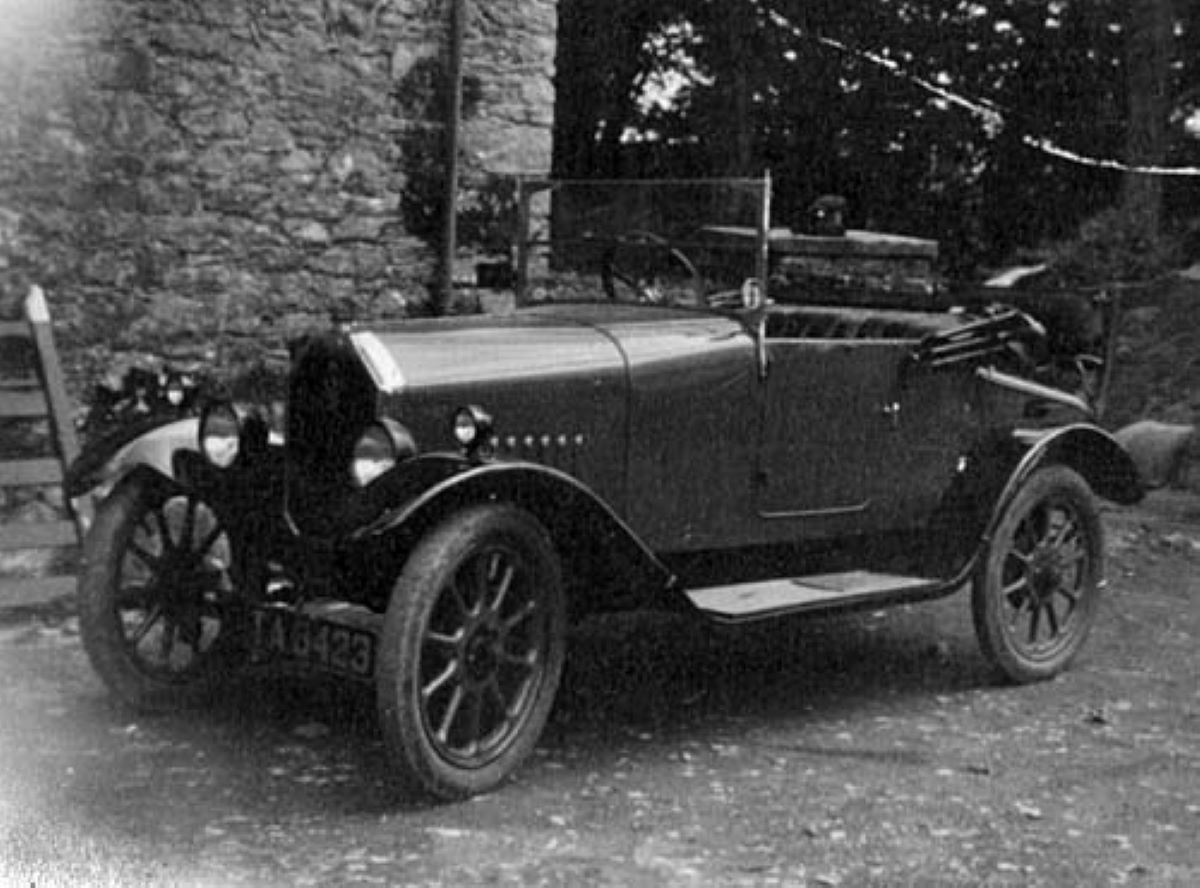
Other vehicles found in the archive registration ledgers are FJ 5617, a ‘Goods’ vehicle registered on the 24th April 1928 and a ‘Goods’ vehicle supplied by Pikes Garage in 1928 or 1929, registration No FJ 9900.
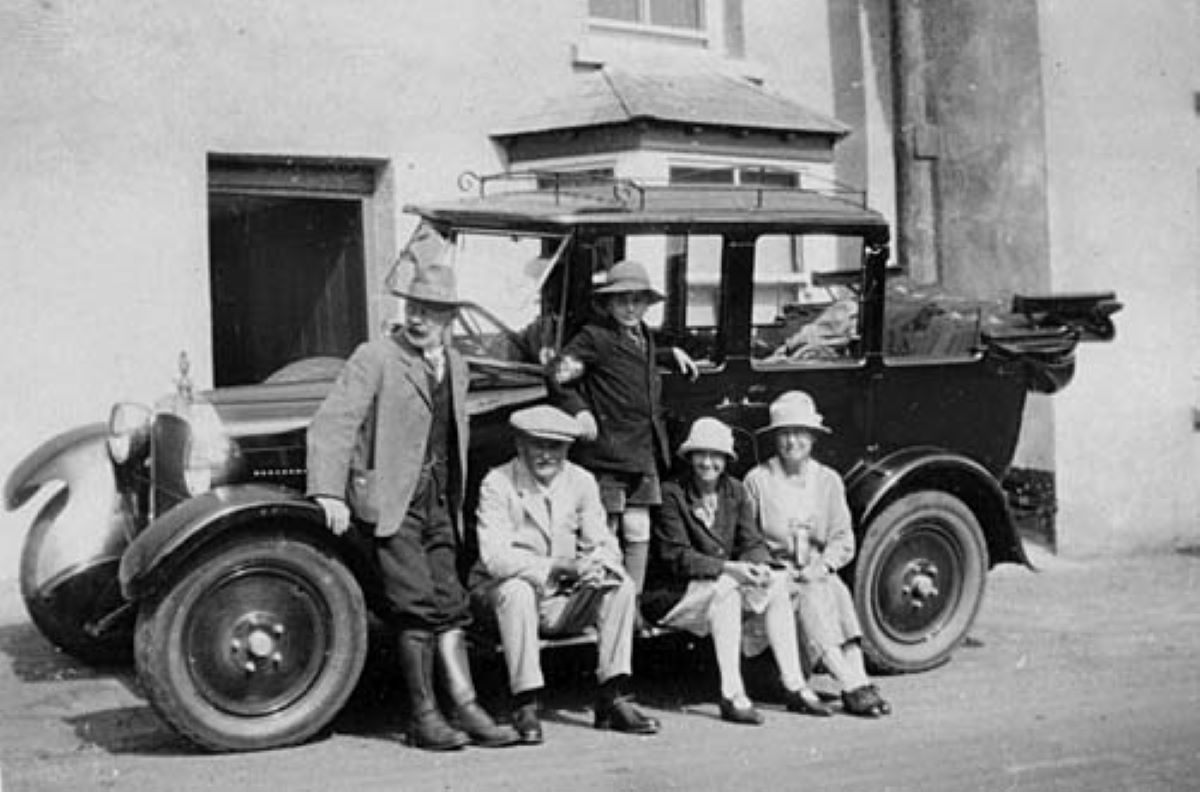 Mr A.B.Green of Taylor & Bodley at one time owned the vehicle shown with a full compliment of passengers at Sticklepath. From left to right are Mr A.B. Green, Mr Edgar Holladay (my grandfather) possibly Alec Holladay stood on the running board, Miss M Green and Mrs Green.
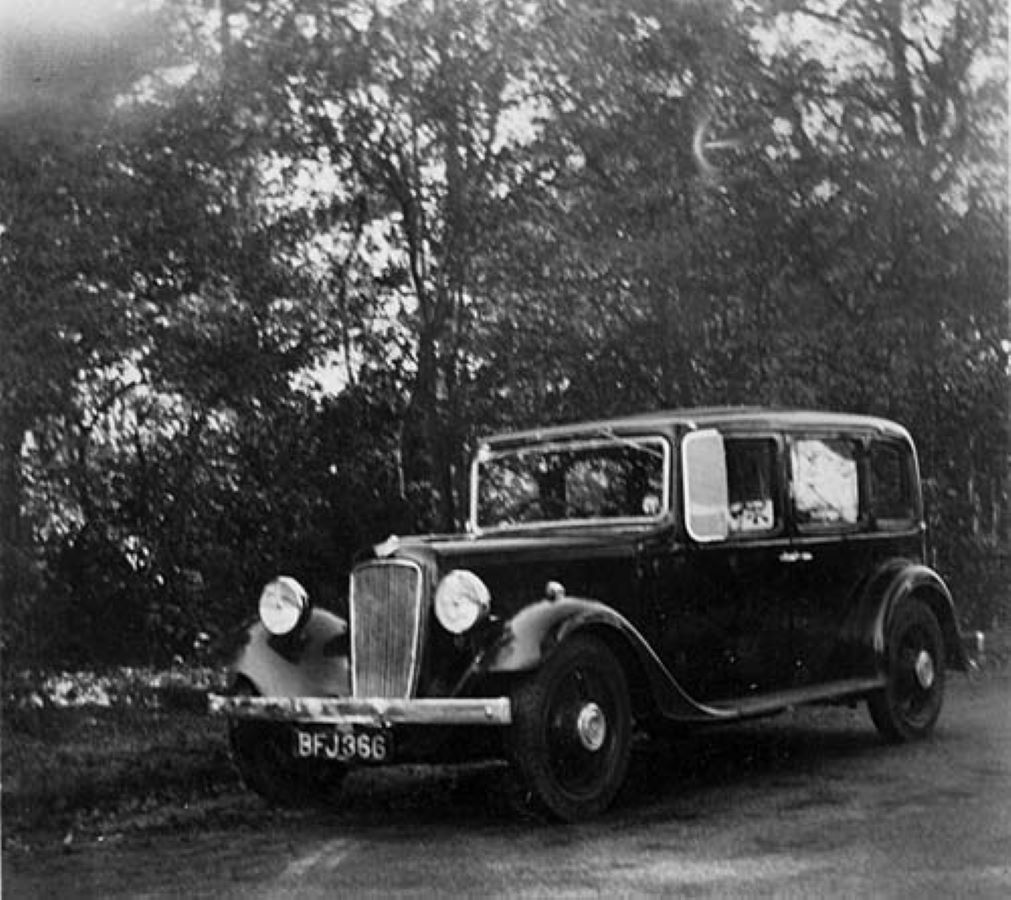 Some years later the company owned the impressive looking Austin, BFJ 366.
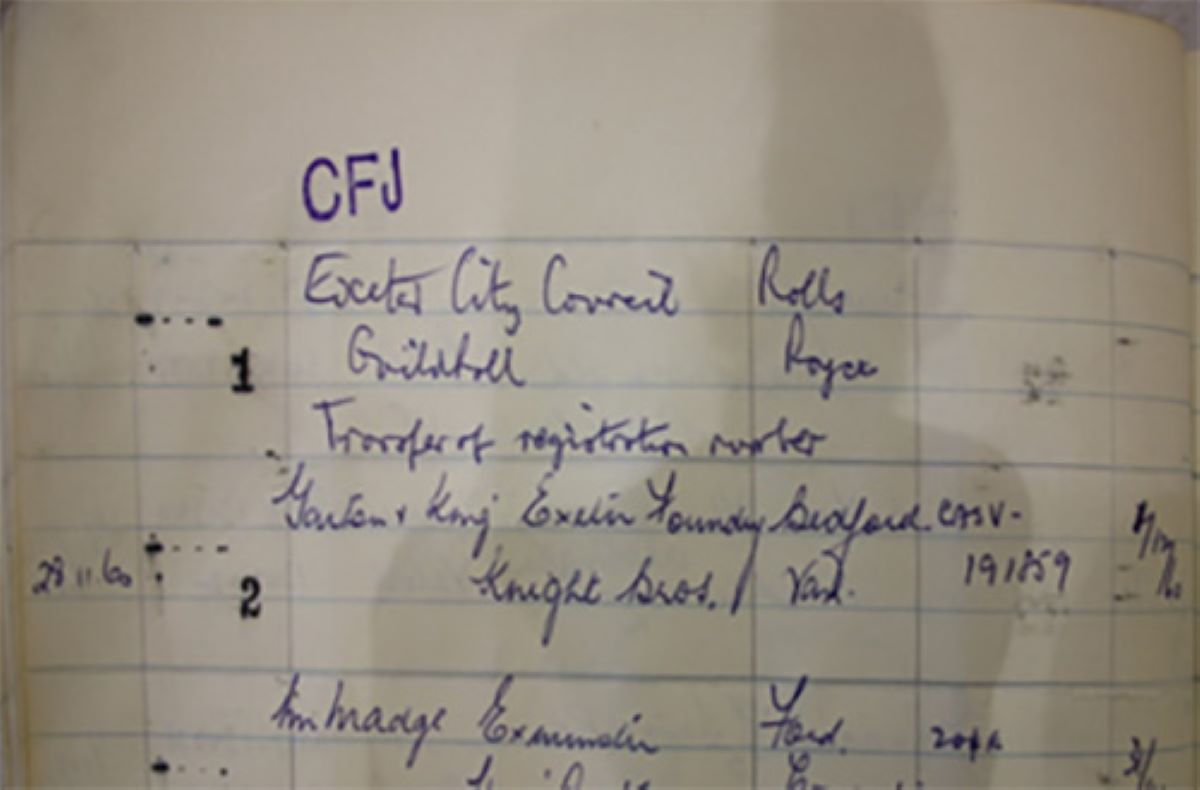 Exeter’s Mayoral Car has, for decades, carried the Registration Number 1 CFJ, FJ being the Exeter Registration mark of that time. Exeter City Council in 1960 boasted owning a Rolls Royce, they even bought a new one in 1963, whereas Garton & King on the other hand, prudently purchased from Knight Brothers in November 1960 a more appropriate vehicle, a Bedford CA Van Chassis Number 191859 and was allocated the registration 2 CFJ. How long it lasted with the company is anyone’s guess, if you have images of any of the Company’s vehicles then please CONTACT ME! Thanks to Aubone Braddon for this information.
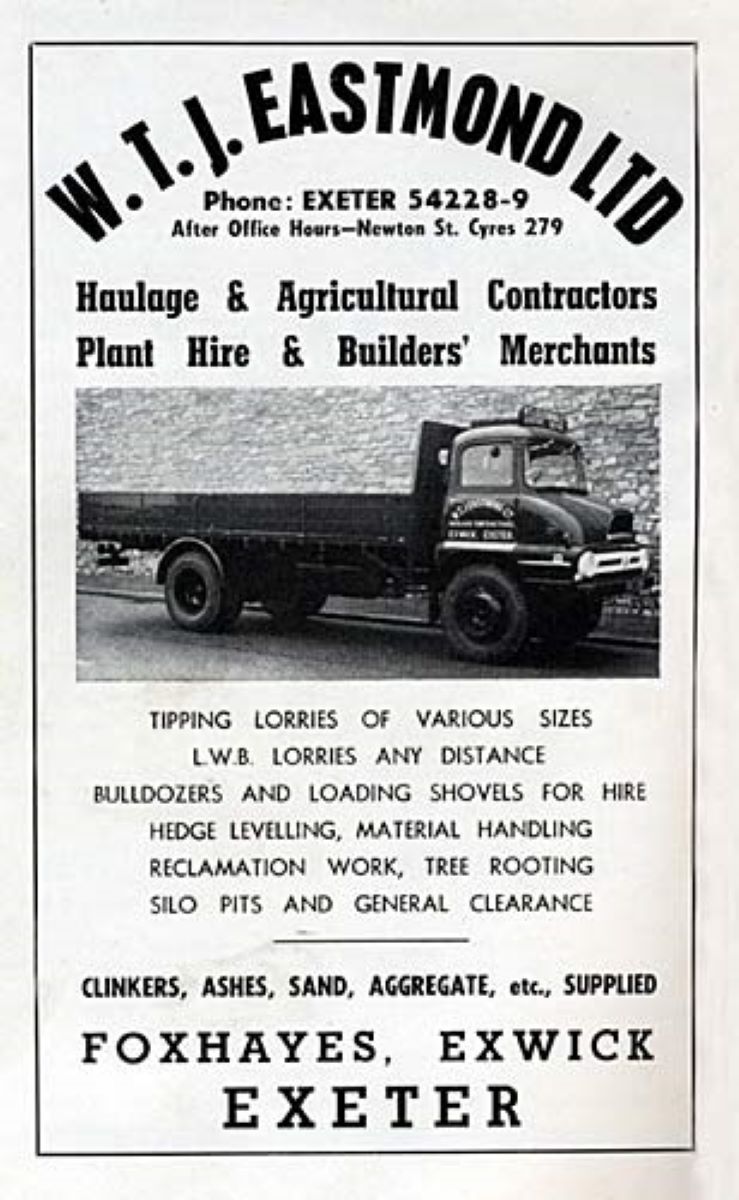 Eastmond’s–Who hauled products from the new factory at Tan Lane just before and during the war I do not know. I remember the regular driver from W.T.J. Eastmond, Exwick who, in the late 40s, 50s and possibly 60s were the regular haulage contractor and I believe when this firm ceased trading the contract passed to BRS Contracts with the same driver. One of their adverts I have included in this section.
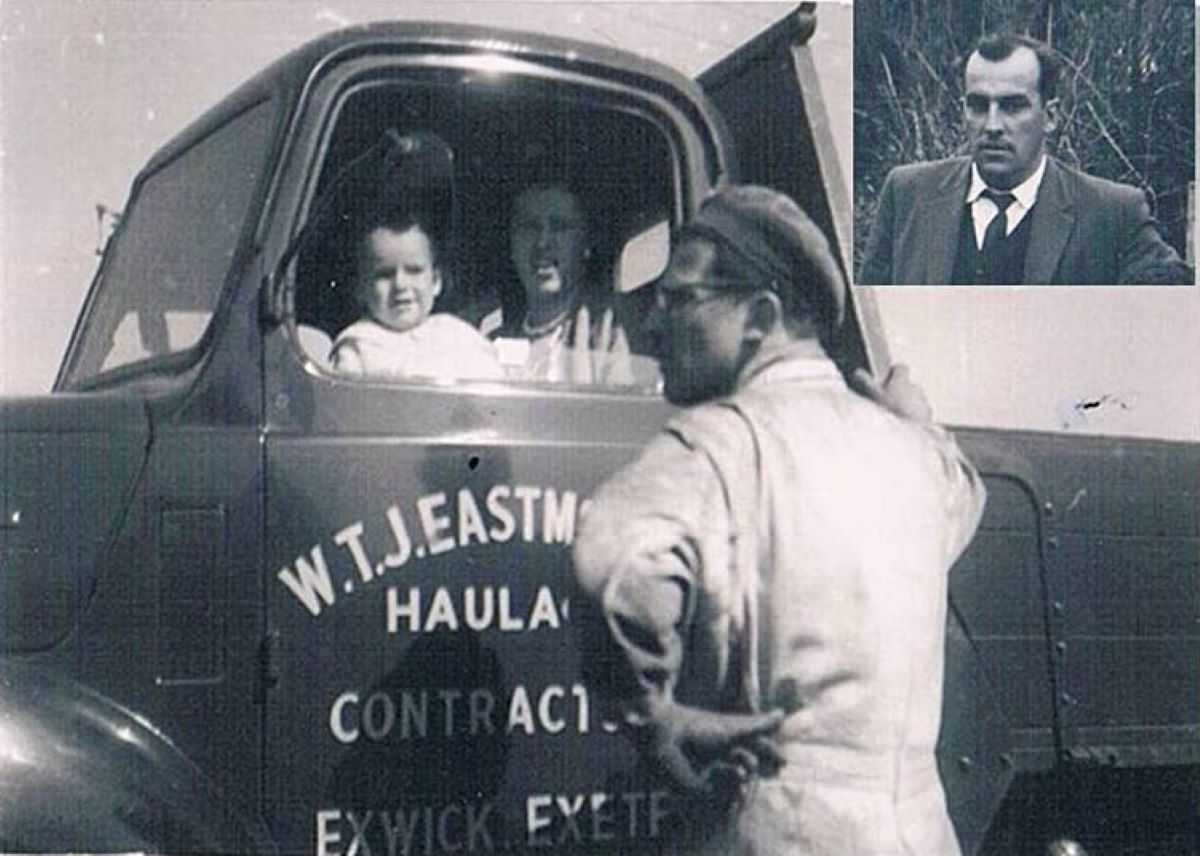 June 2018–Additional information has been discovered and help from a Linda Hogan whose dad was Charlie Orchard, the regular Driver on Eastmond for Garton & King in the post war years. She has come up with a picture of Charlie (inset) and her mother in the cab with Linda’s older brother as a child. These two images clearly show the signwriting on the cab door and are dated 1957. The family at that time lived in Merrivale Road in St Thomas, Exeter. The person with the glasses is unknown, it may be another Eastmonds driver – perhaps someone will recognise him.
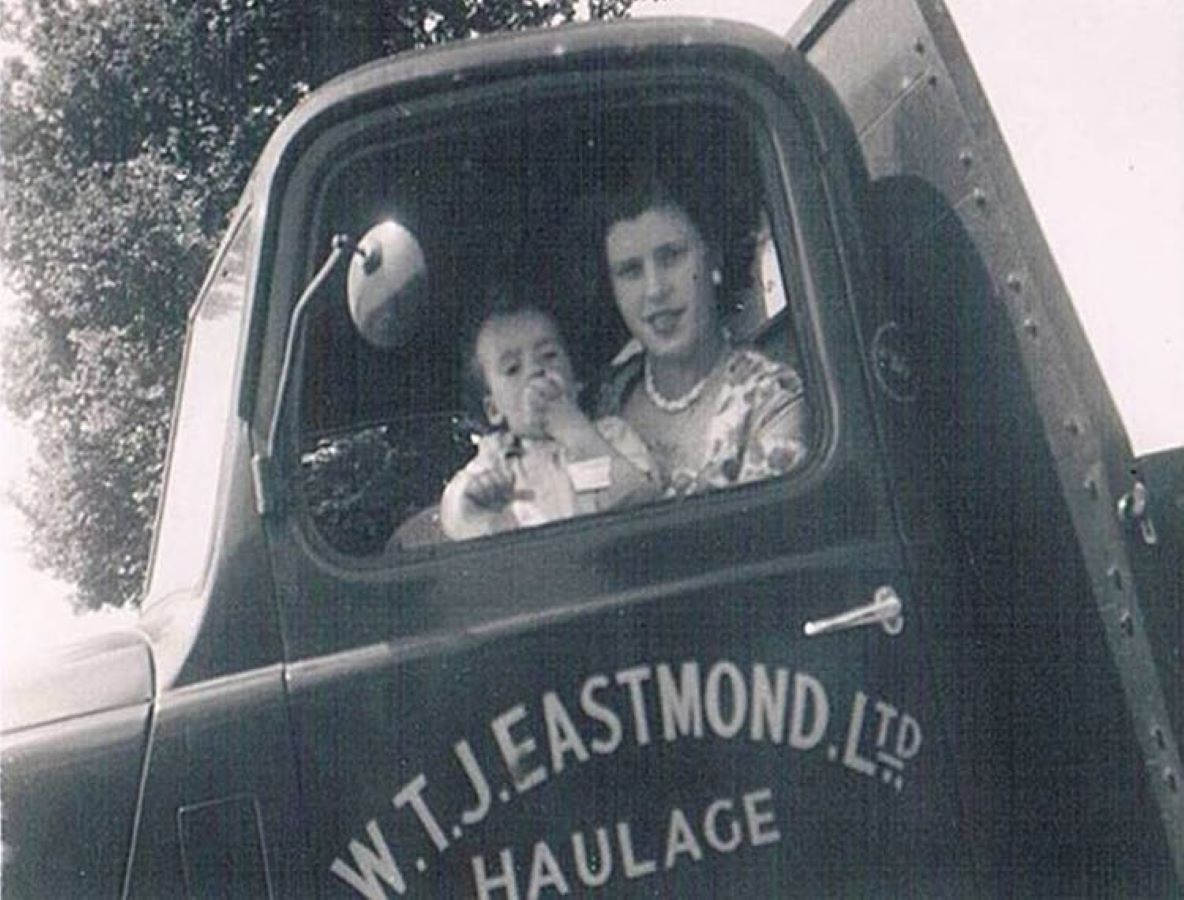 Eastmond Haulage was purchased by the Glendinning Group in Asburton, owners of Linhale Quarry. It is understood that they needed to acquire additional vehicles to cope with the extra demand placed on the company at the time the new Exeter to Plymouth Devon Expressway (the A38 to you and I) was being constructed in the 1970s when many of the existing bypasses were being linked together. The company W.T.J. Eastmond (Exeter’66) Ltd still exists to this day, but only on paper.
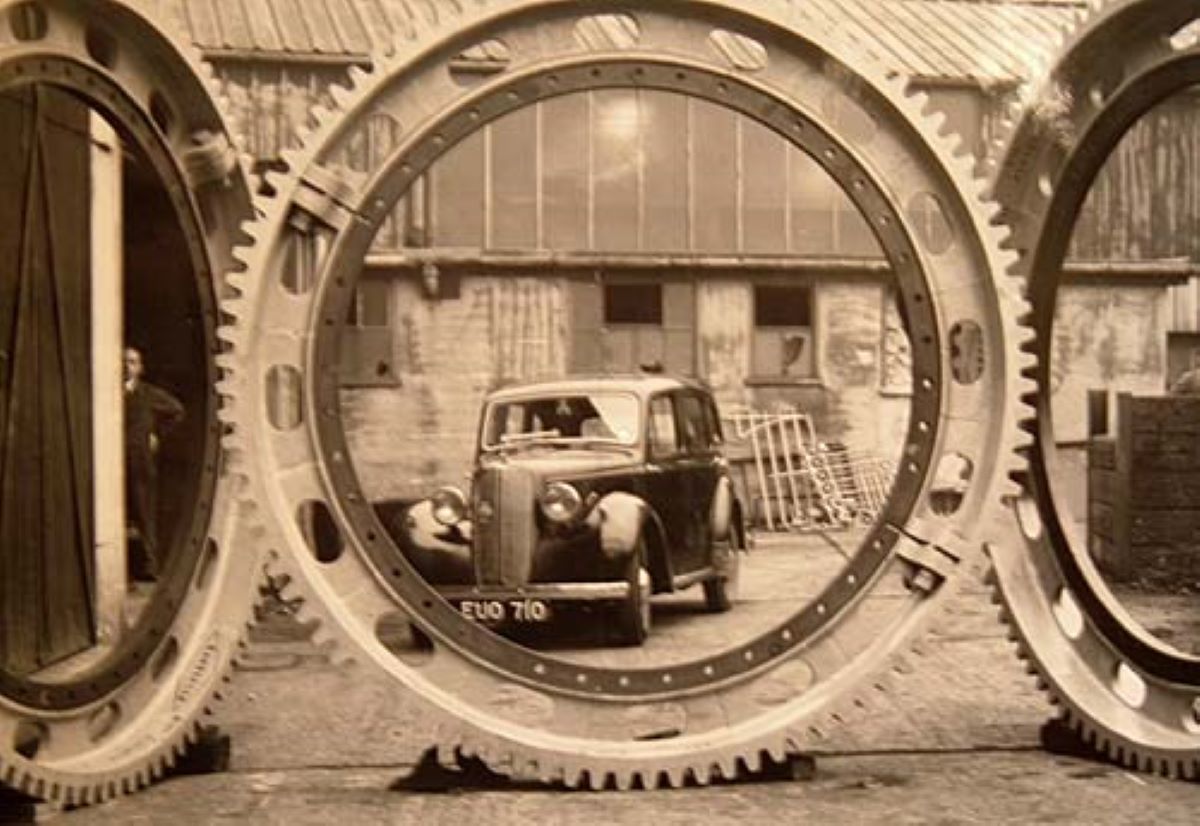 Gears–The sepia coloured photograph features the Hillman Minx (EUO 710) belonging to the foundry manager Alf Jackson, which was deliberately parked as background for this often reproduced photo to emphasize the size of the three gear rings. Here is a brief description of the gears:
“16th October 1953. These three gear rings for a Cement Mill in Canada are about to start their 9,000 mile journey through the Panama Canal to British Columbia. A fourth wheel was despatched about five weeks previously to meet an urgent demand. They are cast in a special steel iron mix to withstand the abrasive conditions in which they work, they measure 9 feet in diameter, 1' 2" wide with 96 teeth and each weighs about three tons (none of your metric tonnes!) The wheels are cast in two halves and are bolted together.”
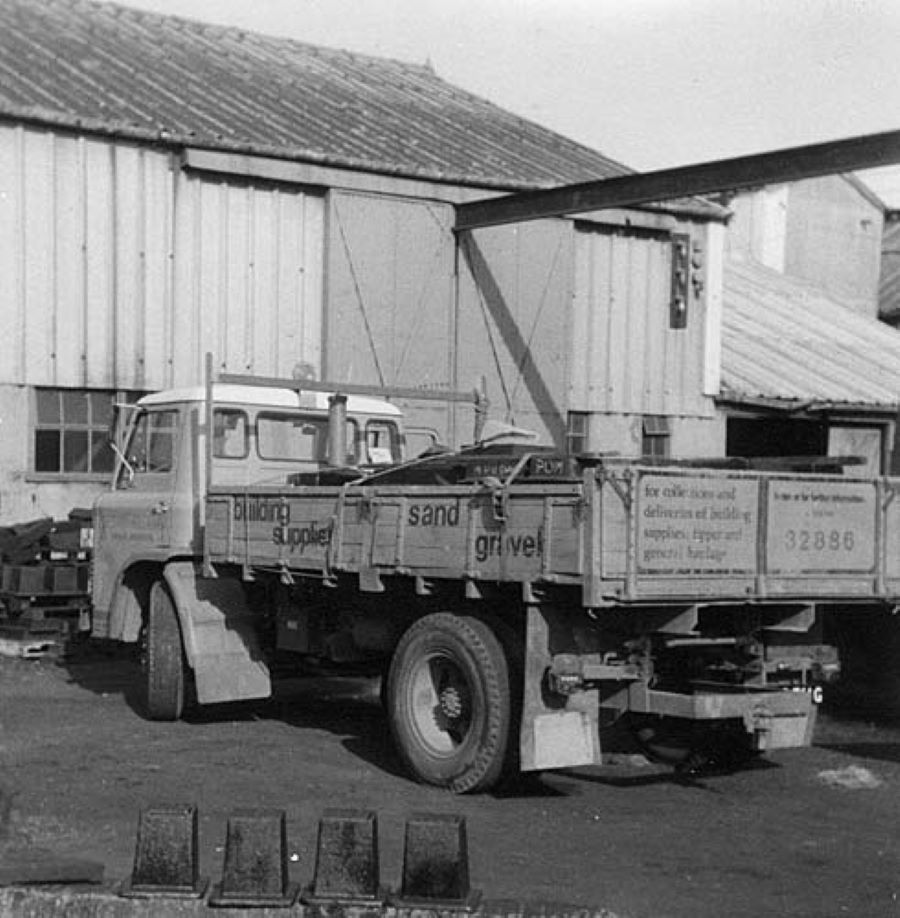 Last delivery–For a while I operated a 7 ton tipper in the Exeter Area and the final photo shows my vehicle by the loading gantry at Tan Lane with the last delivery from the foundry, destination South West Water at Plymouth, the picture was taken in September 1979.
Updated December 2020
Top of Page
See also:
Oddities — Tan Lane Foundry
Personalities — Wheels & Gears
Sitemap / Contents